

The Gut Hormone Behind the Ozempic Phenomenon: GLP‑1 Explained

Ozempic. Wegovy. Mounjaro. It's on the news, in your social feed, in conversations at work. Celebrities won't confirm it. Doctors can't prescribe it fast enough. Pharmacies have run out of it.
And somewhere in the middle of all that noise, most people still don't actually know what it is or why it works.
So here's the science, in plain English.
What Is GLP-1?
GLP-1 stands for glucagon-like peptide-1. It's a hormone your gut produces every single time you eat.
The moment food hits your digestive system, specialised cells in your lower intestine release GLP-1 into your bloodstream. From there, it does three things at once. It tells your pancreas to release insulin to manage your blood sugar. It slows how quickly your stomach empties, so food stays with you longer. And it travels to your brain and activates the receptors that say you're full.
That last part is the one that matters most for weight loss.
When GLP-1 is working properly, there's a clean conversation happening between your gut and your brain after every meal. You eat. Your gut releases GLP-1. Your brain gets the message. You stop eating.
The drugs that have taken over the headlines don't introduce anything foreign into your body. They mimic a hormone you already make. That's the part most people don't realise, and it changes everything about how you understand this conversation.

Why It Matters for Weight Loss
For a lot of people, that gut-to-brain conversation has broken down. Not because of weak willpower. Because of biology.
Ultra-processed food, chronic stress, poor sleep, and sedentary living all disrupt GLP-1 signalling over time. The gut still produces the hormone. The signal just gets weaker. The brain becomes less responsive. The message that you're full either arrives late or doesn't land at all.
You eat a full meal and feel hungry an hour later. You eat past the point of comfort because your body never told you to stop.
Sound familiar?
This isn't a character flaw. It's a signalling failure. And once you understand that, the entire weight loss conversation shifts.
Ozempic, Wegovy, and Mounjaro work by flooding the GLP-1 receptor with a sustained, amplified version of the signal your body was already trying to send. The result is that people feel genuinely full on significantly less food, often for the first time in years.
That's why the results have been so dramatic. The drugs aren't doing something radical. They're restoring a function that modern life quietly eroded.
The Numbers Behind the Phenomenon
The scale of what's happening is genuinely significant.
Around 1.6 million UK adults used a GLP-1 medication for weight loss in the past year, according to research from University College London
A further 3.3 million UK adults report being interested in starting
Around 90% of UK Patients are accessing these drugs privately rather than through the NHS
Globally, over one billion people are now living with obesity
The global GLP-1 drug market recorded around $79 billion in sales in 2025, and Morgan Stanley projects it could reach $190 billion by 2035
This isn't a fad. It's a fundamental shift in how the world thinks about metabolic health.

Ozempic, Wegovy, Mounjaro: What's the Difference?
Most people searching these names don't realise they're all targeting the same underlying pathway. Here's the plain-English version.
Ozempic and Wegovy both contain semaglutide. The difference is the dose and the licence. Ozempic is licensed for type 2 diabetes management. Wegovy is the higher dose version licensed specifically for weight loss. Same drug. Different purpose on paper.
Mounjaro contains tirzepatide, which goes a step further. It targets both GLP-1 and a second hormone called GIP at the same time. The first head-to-head trial, published in the New England Journal of Medicine in 2025, showed tirzepatide producing 20.2% average weight loss compared with 13.7% for semaglutide. That's why it's generating so much attention.
Rybelsus is semaglutide in oral pill form rather than injection. A new oral medication called orforglipron is in late-stage development and may soon offer a once-daily tablet without the food and water restrictions current oral options demand.
There's also a triple agonist called retatrutide, which targets GLP-1, GIP, and a third hormone called glucagon. Early Phase 3 data suggests around 28% weight loss over 68 weeks. That's approaching what's typically seen with bariatric surgery.
The pace of development in this field is unprecedented. All of these drugs are doing a version of the same thing. Amplifying signals your body was designed to produce naturally.
What Happens Beyond Weight Loss
This is the part that's surprised even the researchers.
The conditions GLP-1 medications now show clinical benefit for include:
Cardiovascular disease, with a 20% reduction in major events shown in the SELECT Trial of over 17,000 patients
Chronic kidney disease, with a 24% reduction in disease progression and cardiovascular death in the FLOW Trial
Sleep apnoea, with nearly a 60% Reduction in apnoea severity
Fatty liver disease, with 63% of patients achieving Disease Resolution
Alcohol use disorder, with reductions in consumption and cravings shown in a JAMA Psychiatry Trial
Heart failure in obese patients, with a 38% reduction in Cardiovascular Death or worsening events.
The cardiovascular benefit is particularly striking because it appears to work independently of weight loss. The drug seems to act directly on vascular and inflammatory pathways. The addiction signal is the wild card. Real-world data on tens of thousands of patients have shown reductions in alcohol use disorder recurrence and opioid overdose markers. The mechanism appears to involve GLP-1 receptors in the brain's reward circuits, which would explain why effects show up across food, alcohol, nicotine, and gambling cravings simultaneously.
There have been notable setbacks too. Two 2025 trials testing GLP-1 medications in Alzheimer's and Parkinson's disease didn't show benefit. That's reset some of the optimism around using these drugs as neurological treatments.
The picture emerging isn't that GLP-1 is a cure-all. It's that the pathway sits closer to the centre of metabolic and neurological health than anyone fully appreciated until recently.
How to Support Your GLP-1 Naturally
If GLP-1 is a hormone your body already produces, and modern life has disrupted the signal, what can you actually do about it without a prescription?
You can't replicate what a pharmaceutical dose does. The drugs deliver sustained, amplified signalling that food and lifestyle can't match. But you can create the conditions your body needs to produce and respond to GLP-1 more effectively. For most people, those conditions aren't as complicated as they sound.
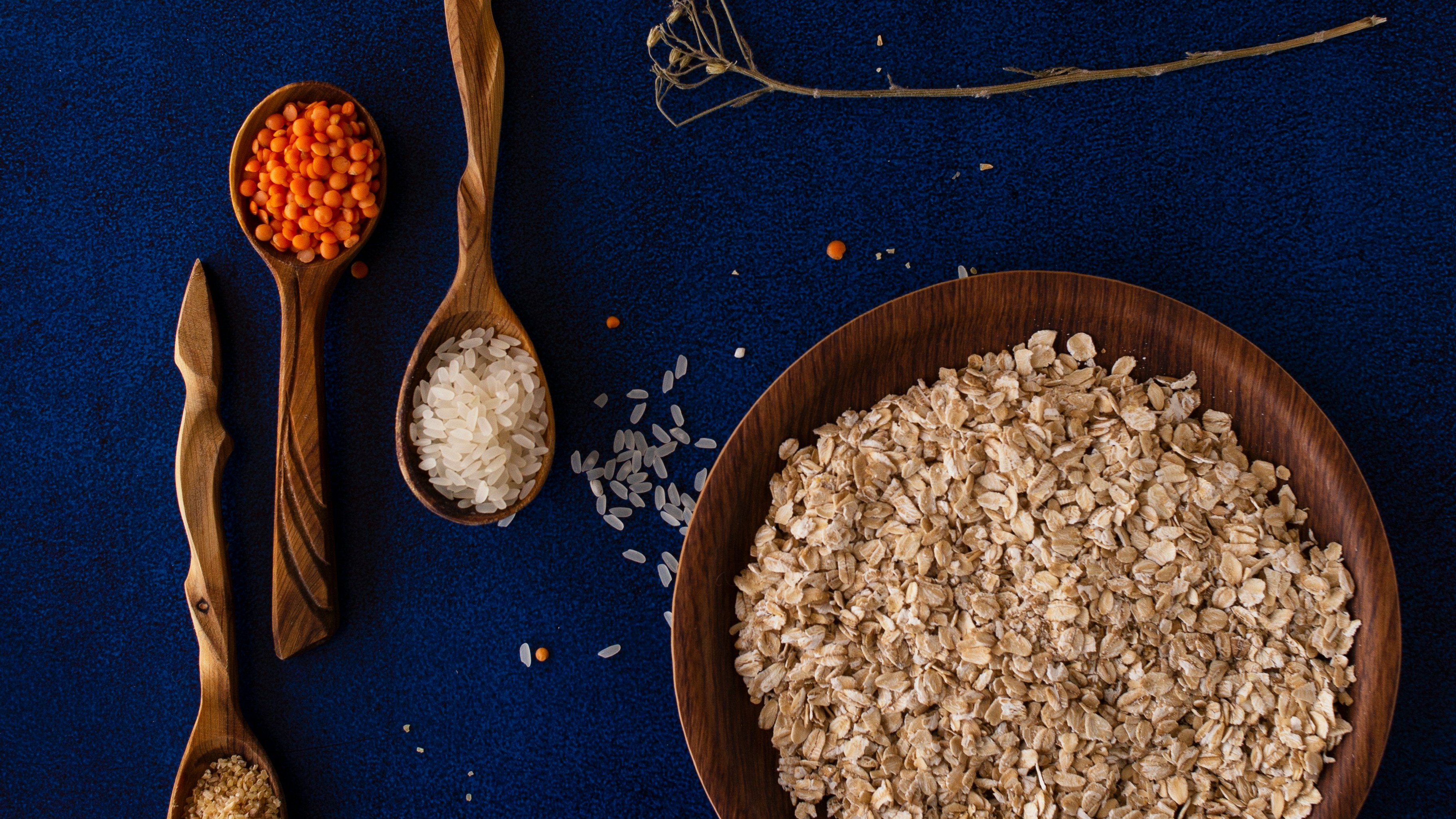
Eat more fermentable fibre
Fibre is the most Evidence-Backed lever for stimulating natural GLP-1 release. The mechanism is specific. Soluble fibres travel undigested to the lower part of your gut, where they're fermented by your gut bacteria into short-chain fatty acids. Those compounds bind to receptors on the cells that produce GLP-1, triggering release.
The strongest sources are oats, barley, lentils, chickpeas, beans, leeks, onions, garlic, green bananas, and resistant starch from cooked-then-cooled potatoes, rice, and pasta. One high-fibre food added to two meals a day is enough to start shifting this. Overnight oats at breakfast. A handful of lentils added to whatever you're already cooking. Consistent, not perfect.
Fermented foods work on the same pathway from a different angle. Kefir, kimchi, and sauerkraut support the gut bacteria responsible for producing those GLP-1 triggering compounds. A small serving daily is enough to make a difference over time.
Prioritise beef and eggs
Protein is one of the strongest dietary triggers for GLP-1 secretion. Specific amino acids in protein activate receptors on the cells that drive hormone release.
Beef and eggs are the gold standard. Both offer a complete amino acid profile, exceptional bioavailability, and a satiety response that processed protein sources don't match. A proper serving of beef or two to three eggs at a meal isn't just protein. It's a direct input into the hormonal system that tells your brain you're full.
Eat in the right order
This sounds minor and is genuinely powerful. Research from Cornell has shown that eating protein and vegetables before carbohydrates reduces blood glucose response by around 50% and increases GLP-1 release. The benefit persists across years of follow-up.
Whatever's on your plate, eat the protein and vegetables first, the carbohydrates last. Same meal. Same calories. Different hormonal response.
Cut ultra-processed food
Ultra-processed food is engineered to be absorbed rapidly in the upper part of the digestive tract. Which means it bypasses the lower-gut cells where most GLP-1 is produced. The signal that should be triggered when food reaches the lower intestine never fires properly.
This is one of the most direct mechanisms by which the modern diet undermines natural appetite regulation. The food's gone before the satiety system has a chance to respond. We'll go deeper into ultra-processed food in a separate article, but the practical move starts in your kitchen.
Sort your sleep
GLP-1 receptor sensitivity is directly affected by sleep quality. When you're chronically underslept, your brain becomes less responsive to satiety signals across the board. Even one night of poor sleep measurably increases appetite and reduces feelings of fullness the following day.
Consistent sleep, at consistent times, is the foundation that everything else sits on. Nothing in this list works properly without it.
Eat slowly and without distraction
GLP-1 takes time to reach the brain after your gut releases it. Eating fast, or eating while distracted, means you consistently eat past the point where the signal arrives.
Put the phone down. Chew properly. Give your gut and your brain the time they need to have the conversation they're trying to have.
What the Drugs Don't Tell You
Pharmaceutical GLP-1 medications are genuinely effective. The clinical data isn't in question. But there are things the conversation around them tends to skip over.
The rebound problem is significant. The original semaglutide Trial extension found that patients regained roughly two thirds of their lost weight within a year of stopping the medication. The drug manages the signalling problem while you take it. It doesn't fix what caused the disruption in the first place.
Muscle loss is a concern that's been somewhat overstated but is real. Some of the weight people lose on these drugs comes from lean tissue. The European Association for the Study of Obesity now formally recommends pairing these medications with resistance training to preserve muscle mass.
Gastrointestinal side effects including nausea, vomiting, and in some cases severe delayed gastric emptying are documented in a significant proportion of users. The long term picture in humans simply doesn't exist yet. These medications have been in widespread use for weight loss for roughly three years. Nobody knows what a decade on a pharmaceutical GLP-1 agonist looks like.
None of that's scaremongering. It's what the evidence currently says.
The more important question it raises is this. If GLP-1 is a pathway your body was designed to use, and pharmaceutical drugs work by forcing that pathway open, what does it look like to support the same system through the way you actually live?
That question is worth more than any prescription. Start with the newsletter below.